
Key Takeaways
- Underperforming online store sales root back to two primary operational failures: a traffic acquisition issue or a conversion rate optimization issue.
- Driving traffic without commercial buyer intent yields zero sales, while sending qualified visitors to a site lacking trust architecture causes severe cart abandonment.
- Systematically diagnosing web analytics against customer psychology, trust architecture, and checkout UX restores sales velocity quickly.
Generating consistent revenue on a direct-to-consumer eCommerce website can feel extraordinarily complex when conversion rates remain stagnant.
Having audited and optimized hundreds of digital storefronts as an eCommerce Marketing Consultant, I have established that commercial underperformance on direct-to-consumer websites consistently traces back to two fundamental strategic bottlenecks.
Isolating whether your digital storefront suffers from a traffic acquisition failure or a conversion rate failure is the first step toward scaling revenue. This diagnostic guide details the exact framework used to diagnose and resolve underperforming sales channels.
1. Traffic Acquisition & Intent Alignment Failure
The eCommerce Diagnostic Matrix
Acquire High Buyer-Intent Traffic via targeted SEO, PPC, or Creator channels.
Shoppers land but do not buy. The site lacks Trust Signals, Social Proof, or Frictionless UX.
Before evaluating conversion rate optimization (CRO) metrics, verify whether qualified visitors are reaching your product detail pages.
Using Google Analytics 4, audit your user acquisition paths by navigating to Reports > Engagement > Pages and Screens. Evaluating session volume per URL path highlights three distinct operational scenarios:
Scenario A: Negligible Total Site Traffic
If your digital storefront receives under 1,000 monthly sessions, statistical conversion optimization is impossible. Low traffic indicates a failure in top-of-funnel customer acquisition.
Strategic Remedy: Shift resources toward acquiring commercial Buyer-Intent Traffic across search engine optimization (SEO), performance marketing (PPC), Creator networks, and email workflows. Prioritize transaction-ready search queries over broad educational terms.
- High Buyer-Intent Query (High Conversion Rate):
Vanilla Organic Plant Protein 30 Servings Gluten Free - Broad Research Query (Low Conversion Rate):
What is protein powder
Scenario B: High Blog Content Traffic, Low Product Page Traffic
If web analytics reveal strong organic sessions on informational blog articles but minimal pageviews on product detail pages, your site suffers from a funnel bridging failure. Visitors seek information rather than immediate commercial transactions.
Strategic Remedy:
- Embed interactive “Add to Cart” product widgets directly within informational blog articles to enable single-click purchasing.
- Place contextual display banners and promotional offers directly related to the article topic.
- Deploy targeted exit-intent popups offering discount incentives in exchange for email capture to nurture long-term commercial intent.
Scenario C: High Product Page Views, Zero Transaction Volume
If shoppers land directly on product detail pages but leave without initiating checkout, you face both an intent mismatch and an on-page conversion design failure.
Strategic Remedy: Audit Google Search Console query performance for product URL paths. If incoming traffic originates from non-commercial research terms, adjust on-page metadata, headers, and paid search ad targeting to capture transactional buyer intent.
Once search intent alignment is established, on-page conversion architecture determines whether sessions convert into completed orders.
2. On-Page Conversion Architecture & Trust Failures
If qualified visitors land on your product pages but abandon session carts, your website lacks essential trust architecture, clarity, and friction-free user experience (UX) design.
The S.A.F.E. Conversion Copywriting Framework
Every homepage, category navigation grid, and product detail page must explicitly communicate how your product addresses customer psychology across four parameters:
- Solves the buyer’s immediate operational or functional problem.
- Alleviates specific personal, physical, or financial pain points.
- Fulfills underlying emotional or status-driven desires.
- Engages aspirational identity through compelling brand storytelling.
Agitating Customer Friction & Presenting the Outcome
Conversion copywriting must articulate the customer’s current frustration before positioning your product as the optimal solution. Shoppers purchase the aspirational outcome your product facilitates rather than raw technical specifications.
Proof of Efficacy & Social Proof Architecture
Unrecognized direct-to-consumer brands require extensive social proof architecture to overcome buyer skepticism:
- Verified customer review widgets featuring star ratings and customer photos.
- Video testimonials and unboxing user-generated content (UGC).
- “As Seen On” media endorsement badges and industry award logos.
- Clinical trial statistics, third-party lab certifications, and objective data points.
Eliminating Checkout & Transaction Friction
Minimize checkout abandonment by providing seamless, flexible purchasing options:
- Automated order tracking and real-time shipping notifications.
- One-click express checkout options (Shop Pay, Apple Pay, Google Pay).
- Buy Now Pay Later (BNPL) installment options (Klarna, Afterpay, Affirm).
- Transparent, fast shipping terms and guest checkout capabilities.
Establishing Customer Support Peace of Mind
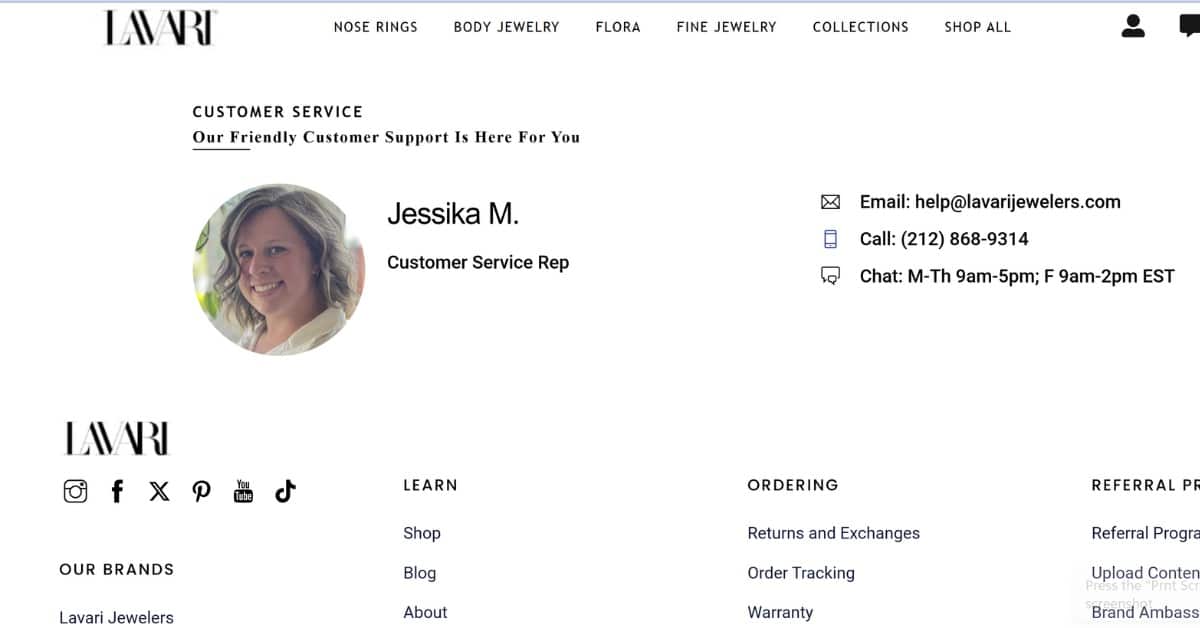
Shoppers require reassurance that reliable customer support is available in case of shipping delays or product defects. Displaying clear contact channels builds immediate confidence during first impressions.
Incorporate a dedicated customer service footer block across all detail pages containing:
- Headshot photograph of a dedicated customer service representative.
- Direct customer support phone number and monitored email address.
- Explicit hours of operation and guaranteed response SLAs.
The 16 Core Human Drivers in eCommerce Copywriting
Effective landing pages align marketing messaging with fundamental human psychological drivers:
| Core Psychological Driver | eCommerce Strategic Application |
|---|---|
| 1. Physical Survival & Longevity | Position products around health preservation, wellness, and safety. |
| 2. Culinary Gratification | Highlight taste, sensory pleasure, and artisanal quality in food/beverage copy. |
| 3. Avoidance of Pain & Danger | Emphasize immediate relief, risk reduction, and ergonomic protection. |
| 4. Attraction & Companionship | Focus copy on aesthetic appeal, confidence, and interpersonal connection. |
| 5. Environmental Comfort | Highlight home luxury, ergonomic design, and daily living ease. |
| 6. Status & Competition | Leverage premium branding, exclusive releases, and performance superiority. |
| 7. Protection of Dependents | Emphasize safety standards, non-toxic materials, and family security. |
| 8. Social Validation & Belonging | Display review totals, community member counts, and user-generated content. |
| 9. Information & Mastery | Provide comprehensive technical specifications, guides, and educational copy. |
| 10. Intellectual Curiosity | Highlight innovative design mechanics, unique ingredients, or novel engineering. |
| 11. Hygiene & Order | Focus on purity, organization, simple maintenance, and clean formulations. |
| 12. Operational Efficiency | Demonstrate time savings, productivity gains, and streamlined workflows. |
| 13. Effortless Convenience | Emphasize single-click ordering, subscription automation, and easy setup. |
| 14. Brand Dependability | Display warranties, money-back guarantees, and secure transaction seals. |
| 15. Aesthetic Expression | Utilize high-fashion visual assets, design accents, and lifestyle styling. |
| 16. Commercial Economy & Value | Highlight bundle discounts, bulk savings, and long-term cost-effectiveness. |
The 2 Foundational Orientation Questions
When a shopper lands on your store from an external ad or search feed, your hero section must immediately answer two orientation questions within 3 seconds:
- Is this the exact right product for my specific need?
- Is this the most trustworthy site to purchase this product from?
If your storefront fails to answer both questions above the fold, bounce rates increase and conversion rates collapse.
Homepage & Category Page Navigation UX
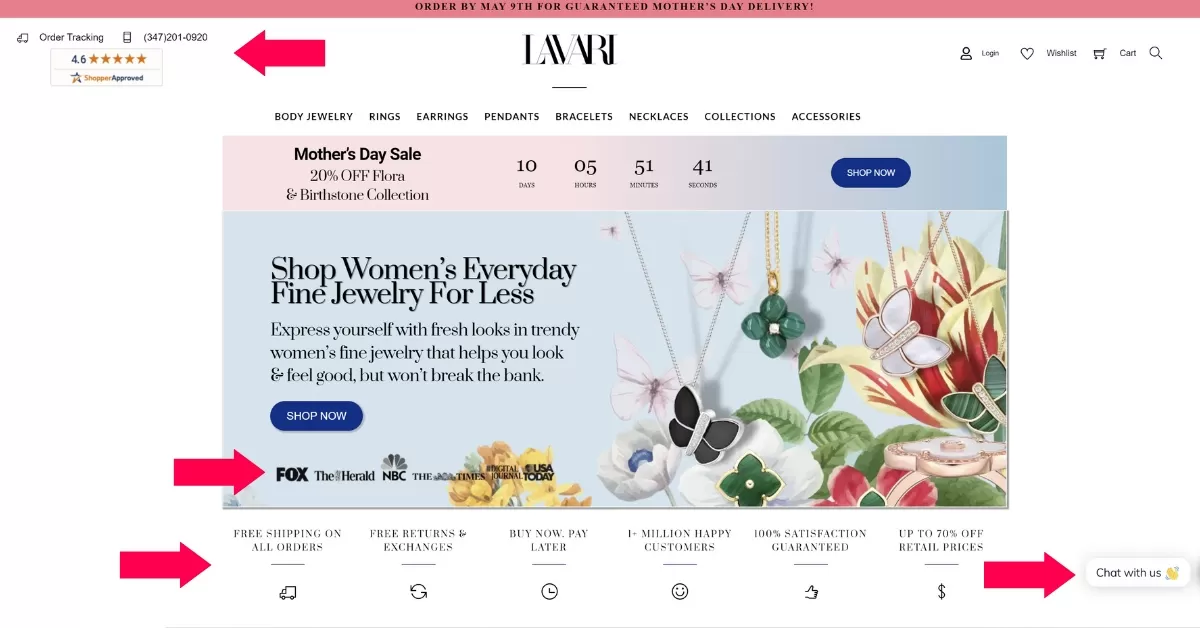
The primary objective of homepages and category grids is to orient visitors quickly and guide them into relevant product detail pages without navigational friction.
Product Detail Page (PDP) Layout Optimization
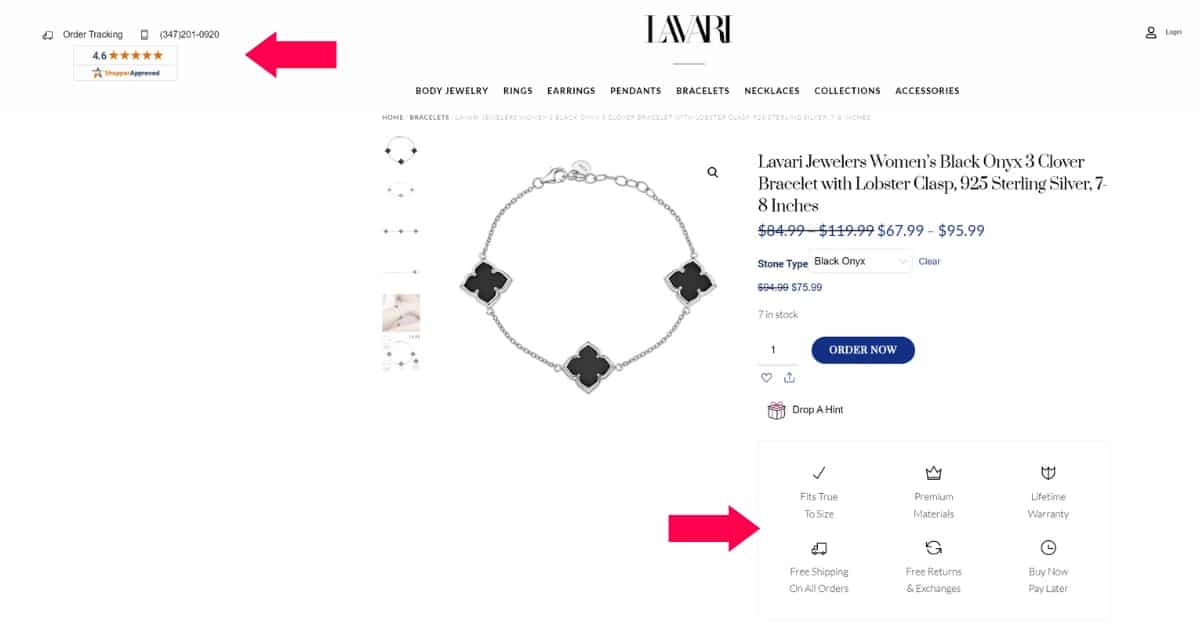
Product detail pages must reinforce brand trust, highlight key differentiators, display star ratings, and feature prominent “Add to Cart” callouts above the fold.
Once a shopper clicks “Add to Cart,” direct user attention immediately toward the next logical step: checkout completion.
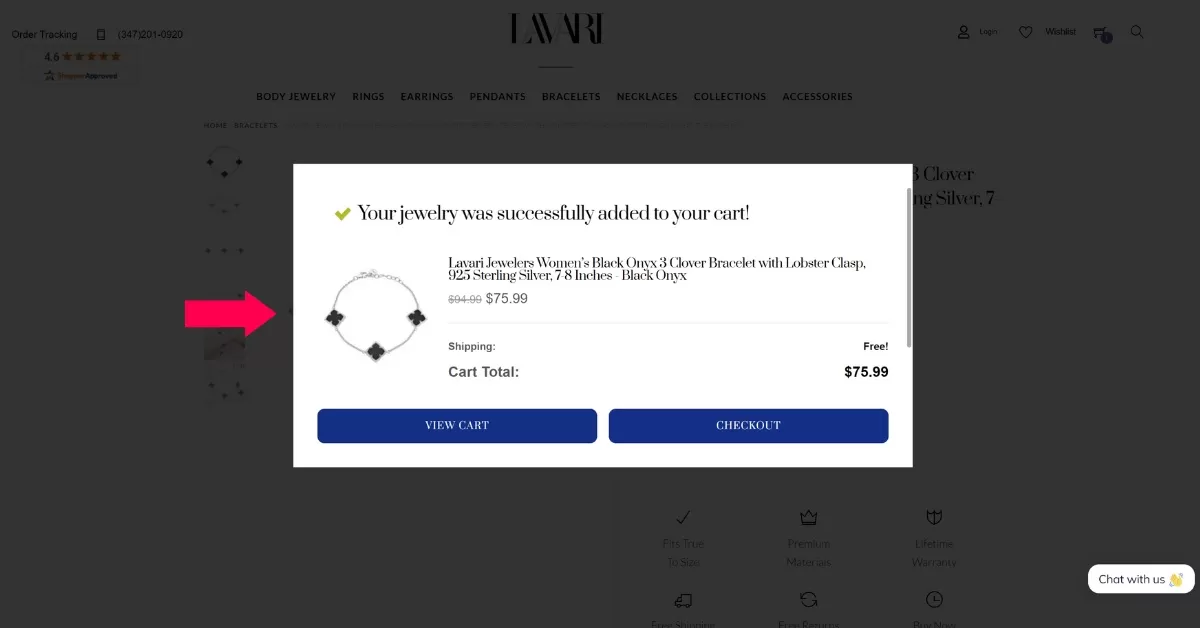
Checkout Page Conversion Optimization
The checkout interface experiences the highest abandonment rates across digital sales funnels. Optimizing checkout UX removes friction and protects conversion yields:
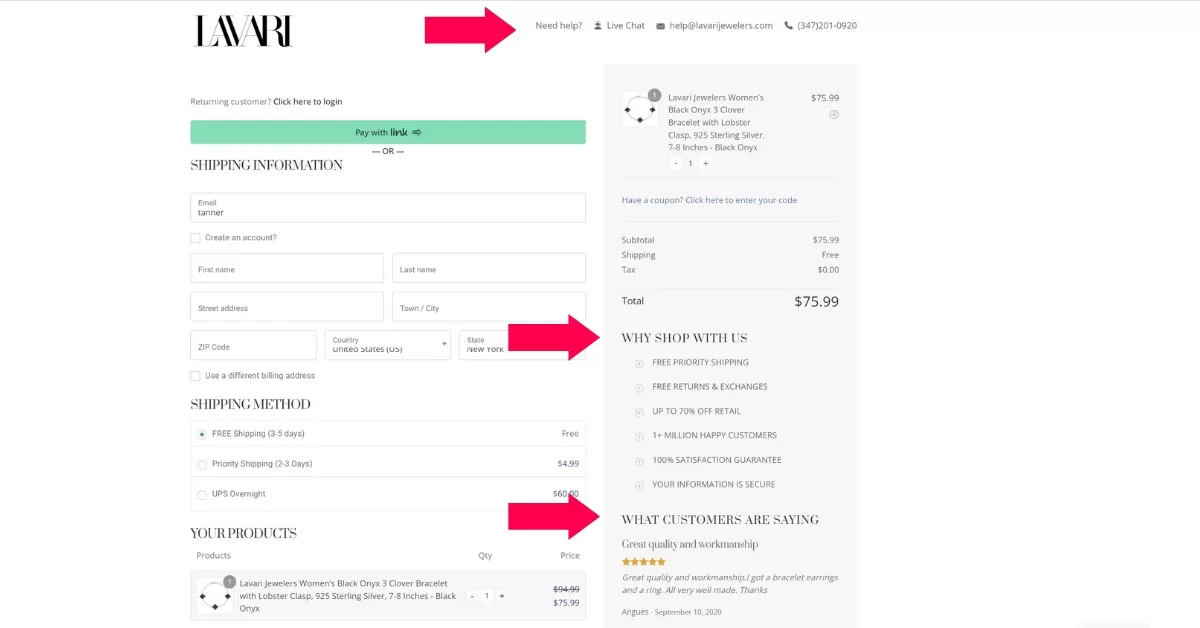
- Eliminate header navigation menus and external links to keep buyers focused entirely on completing the checkout form.
- Display customer service telephone numbers and email contacts clearly on the checkout page.
- Re-state core brand guarantees (e.g., “30-Day Money Back Guarantee, Free Returns”) near order summary blocks.
- Display verified customer reviews or testimonial quotes directly within the checkout sidebar.
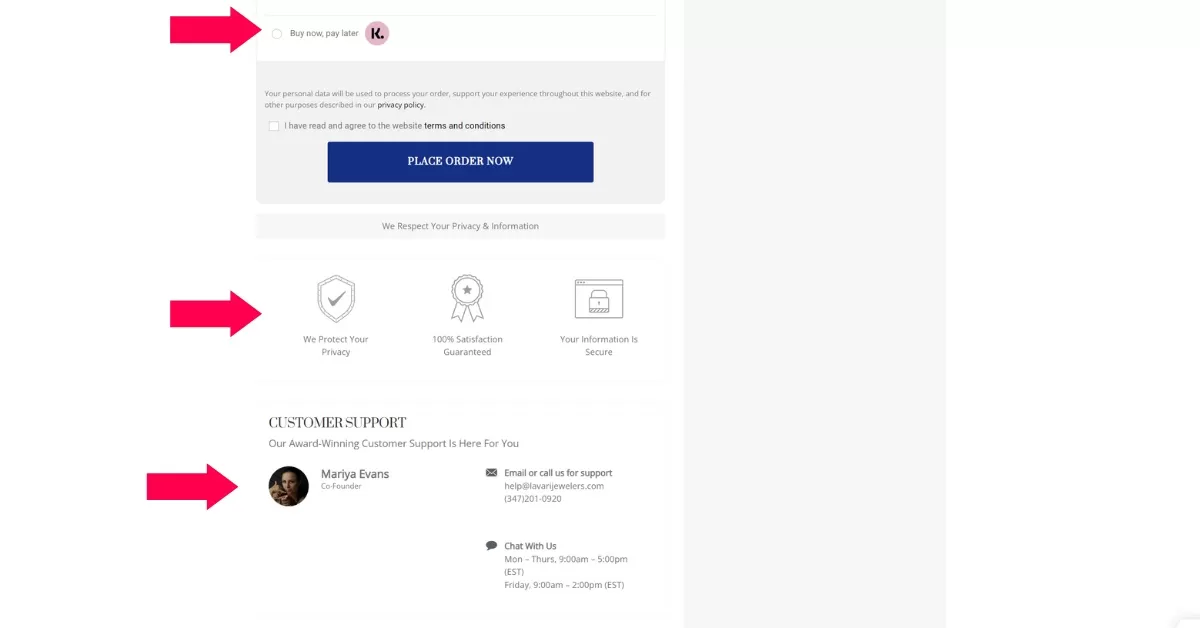
- Provide flexible payment gateways including express wallets and Buy Now Pay Later options.
- Display security seals (SSL Encryption, Norton/McAfee badges) immediately adjacent to the “Complete Order” button.
- Include a photo and direct contact link for your customer support lead to reinforce total buyer security.